A person visiting a medical website is often worried. They may be checking whether a symptom needs attention, looking for a specialist, or trying to book an appointment for a parent. In that state, marketing language feels wrong. What helps is calm, specific information and a clear next step.
Reassurance comes from specificity
A clinic that says it offers "world-class care" tells a patient nothing. A clinic that lists its specialties, names its doctors, states its hours and explains how to book tells a patient everything. Specificity is reassuring because it suggests the organisation knows what it does.
Tone matters as much as content. Short sentences, plain language and generous spacing read as calm. Dense paragraphs, flashing banners and fear-based messaging read as pressure, which is the opposite of what a patient needs.
What the site needs to include
- Specialties and services, listed clearly with a short description of each.
- Doctor profiles with qualifications, specialisations and consultation days.
- Appointment booking or a contact form, plus a phone number for urgent matters.
- Location, hours, parking and accessibility information.
- Insurance or payment details, where relevant.
- Emergency guidance, clearly separated from routine enquiries.
Doctor profiles are often the most visited pages. Patients want to know who they will see, what the doctor specialises in, and whether they have experience with their particular concern. A photograph, qualifications and a short plain-language note are enough.
The booking experience
Appointment requests should be simple: name, phone, preferred doctor or specialty, and preferred time. Asking for a detailed medical history in a web form is unnecessary and may create privacy concerns. A note explaining that the clinic will confirm by phone is reassuring and sets expectations.
For hospitals with multiple departments, route enquiries to the right place. A single inbox for everything slows response times and frustrates patients.
Patient information also belongs on the site, clearly separated from booking. Visiting hours, what to bring for admission, insurance counters and discharge procedures are the questions that generate the most calls. Answering them in plain language reduces pressure on front-desk staff.
Building it responsibly
Healthcare sites carry a duty of accuracy. Treatment descriptions should be reviewed by clinical staff, not written by a designer guessing. Avoid promising outcomes. Where a condition is serious, direct patients to appropriate care rather than attempting to diagnose online.
Agencies that work with healthcare providers, including Azryno, usually build in a simple content workflow so clinic staff can update doctor schedules and service lists without technical help. That keeps the site accurate, which matters more here than in any other sector.
Azryno healthcare website work
The test is whether an anxious patient can find the right doctor and the right phone number in under a minute. If they can, the site is doing its job.
Need help with this? Azryno is a web design agency based in Colombo, Sri Lanka. We build websites, brand identities, and graphic design that work for real businesses. Get in touch at https://www.azryno.com to get started.
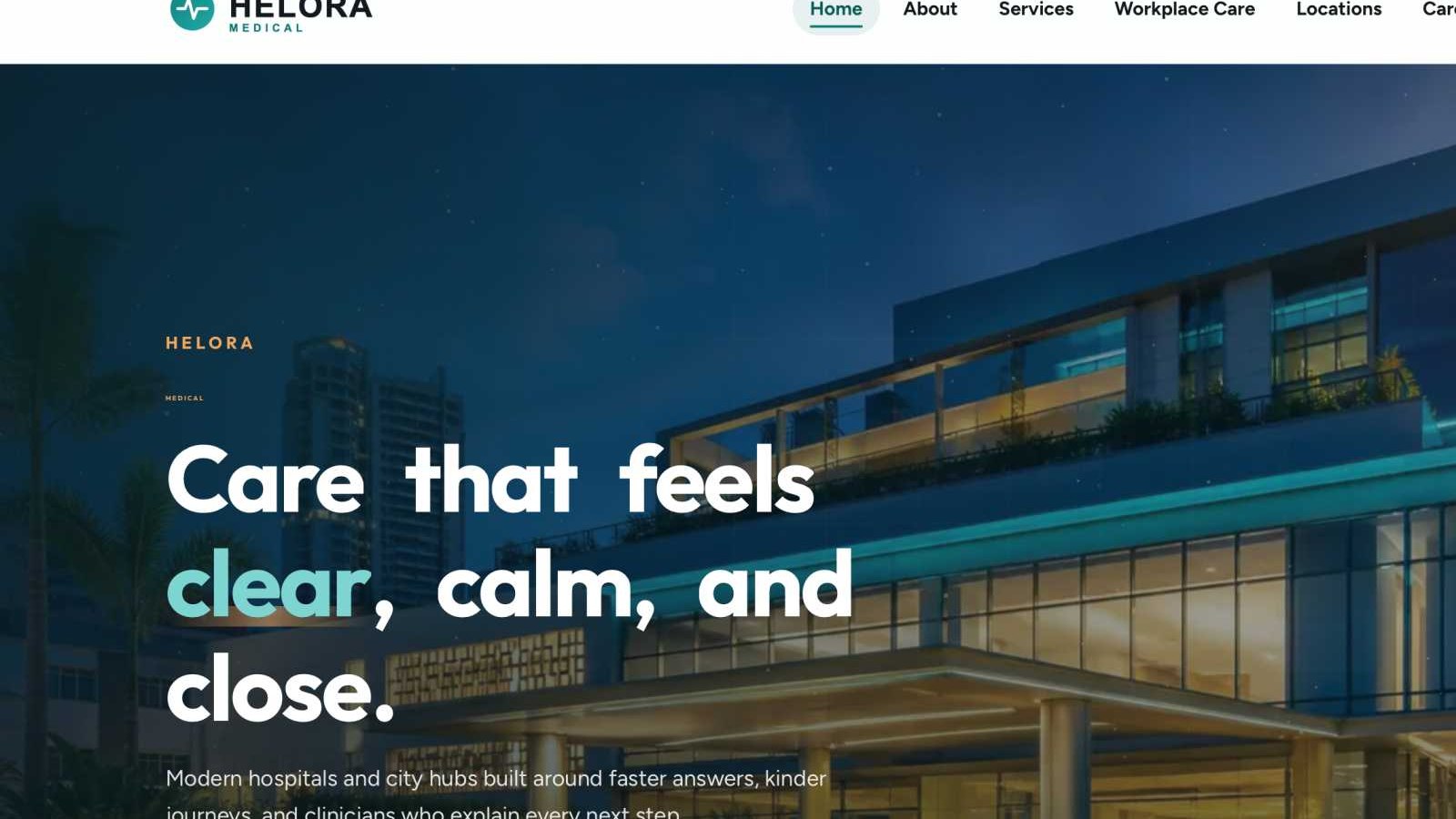
Banner image: Azryno portfolio project.