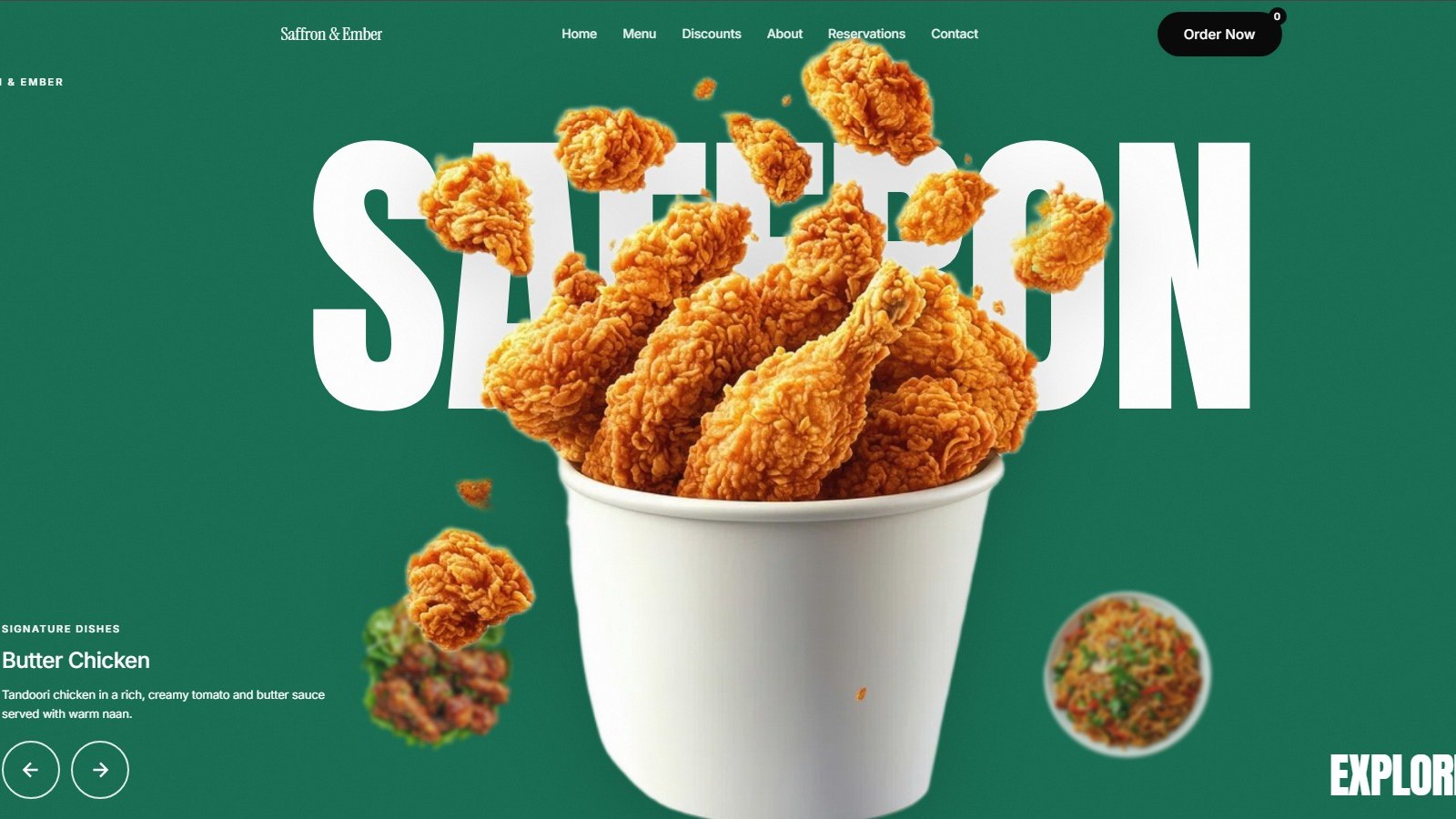
The moment someone opens a restaurant website is usually the moment they are deciding where to eat. They are standing on a street, sitting in a tuk tuk, or messaging a group chat. They have two questions: what does the food look like, and where exactly are you? A site that takes ten seconds to answer either one has already lost them.
The menu is the main event
A PDF menu is the most common mistake in restaurant web design. It downloads slowly, it cannot be read on a phone without zooming, and it often reflects prices from two years ago. A simple HTML menu, grouped by category with short descriptions and current prices, is faster, more accessible, and easier to update.
Prices matter. Some restaurants hide them to encourage enquiries, but for casual dining that creates friction. Guests want to know whether a dish is LKR 1,200 or LKR 3,500 before they commit to a table.
Location and hours, front and centre
- Full address with a map link that opens in Google Maps or Uber.
- Opening hours for each day, including holidays and kitchen closing times.
- A tap-to-call phone number and a WhatsApp link for reservations.
- Parking notes, accessibility details and whether walk-ins are welcome.
These details should be visible without scrolling on a phone. A common failure is a beautiful hero video that fills the screen while the address sits three taps away.
Food photography that earns the visit
Restaurant photography is a genre of its own. Natural light, a real table setting and dishes photographed as they are served will outperform polished studio shots that look nothing like the plate a guest receives. Two or three strong images per signature dish are enough. A gallery of forty mediocre photos is not.
Atmosphere matters too, especially for cafés and dinner spots. A photo of the room at service time tells a guest what the experience will feel like, which is often what they are actually choosing.
Reservations without the phone tag
Not every restaurant needs a booking system. For smaller cafés, a WhatsApp link and a clear note about walk-ins is enough. For dinner restaurants, a short reservation form with date, time, party size and phone number cuts down on calls during service. Whatever the method, the confirmation process should be explained on the page.
Restaurants that work with local agencies, including Azryno, often keep the site deliberately small: menu, location, photos and contact. The value is in accurate, up-to-date information rather than a large content library.
How Azryno builds restaurant websites
The test is simple. Open your site on a phone with mobile data and try to find the menu, the address and the phone number. If any of those takes more than a few taps, there is room to improve.
If your food is good but your website makes people work to find you, fixing that is one of the highest-return improvements available.
Need help with this? Azryno is a web design agency based in Colombo, Sri Lanka. We build websites, brand identities, and graphic design that work for real businesses. Get in touch at https://www.azryno.com to get started.
Banner image: Azryno portfolio project.